
30+
Years Of Experience
Dogs Trained for Calm Interaction With Groups
Therapy Dogs in Goodrich for dogs preparing to provide structured support in schools, healthcare settings, and community environments
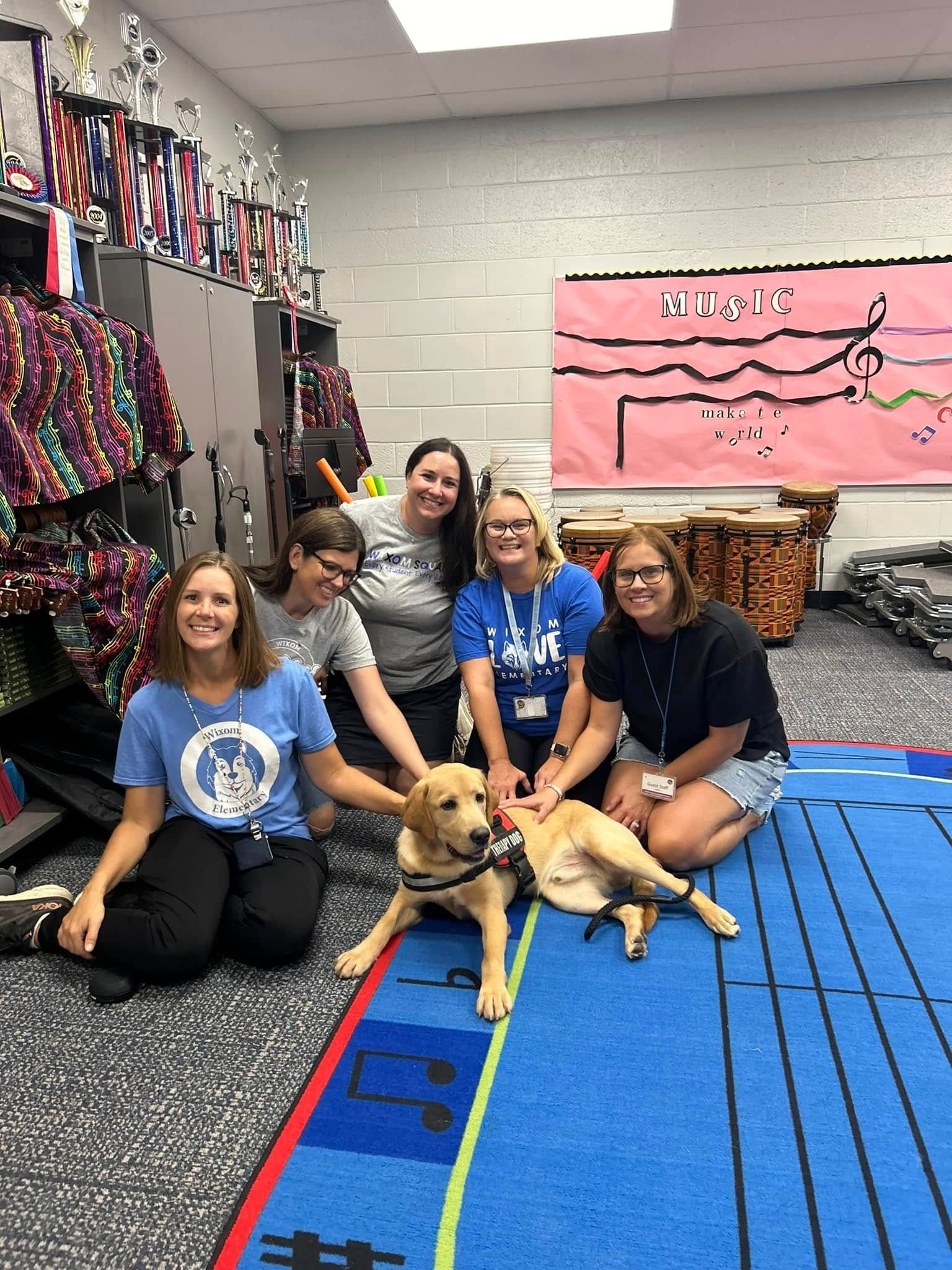
Therapy dogs need the temperament and training to remain calm and responsive when approached by strangers, children, patients, or emotionally vulnerable individuals in unpredictable settings. A dog may be affectionate at home but reactive or overwhelmed in a hospital hallway filled with equipment noise, sudden movement, and unfamiliar people. Becoming a SEL Therapy Dog prepares therapy dogs in Goodrich through programs that focus on controlled behavior, social confidence, and reliable responses around groups and individuals. Training environments include both SEL (Social Emotional Learning) Therapy Dogs for school-based programs and general therapy dogs for personal and community support roles across healthcare and public settings.
Dogs practice real-world socialization and distraction management in dedicated indoor and outdoor training spaces where stimuli are introduced gradually and monitored for safety. Over 20 years of experience training therapy-focused dogs throughout Michigan means programs are designed around the specific environments where the dog will eventually work—whether that involves elementary school classrooms, hospice centers, hospitals, or nursing homes. Training emphasizes consistency, handler communication, emotional awareness, and positive public interaction that remains steady across different settings and populations.
Invite your family, school, or care organization to discuss therapy dog goals and what placement readiness involves for your specific support setting.
WLCSD Pals
Paws Assisting Learners
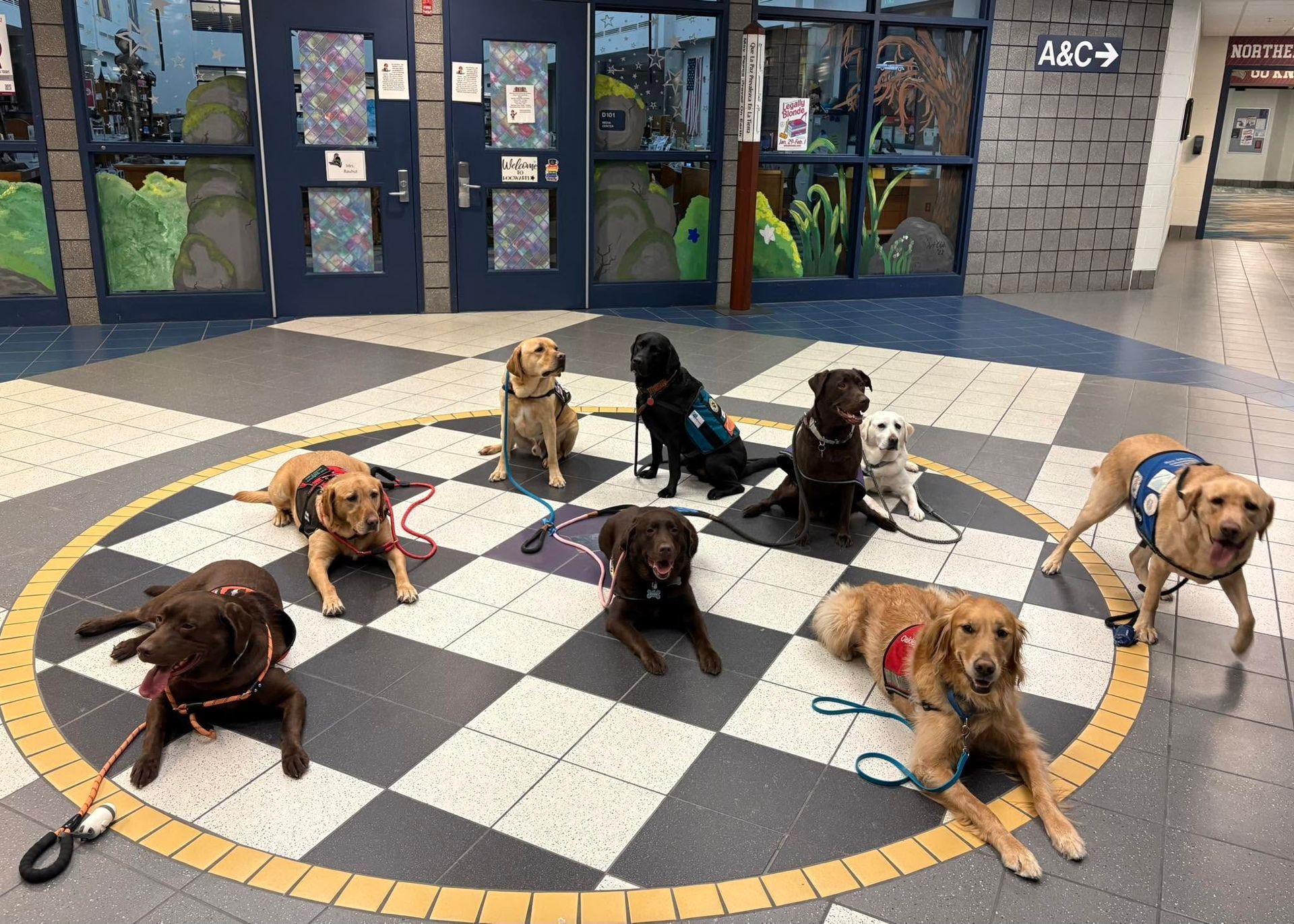
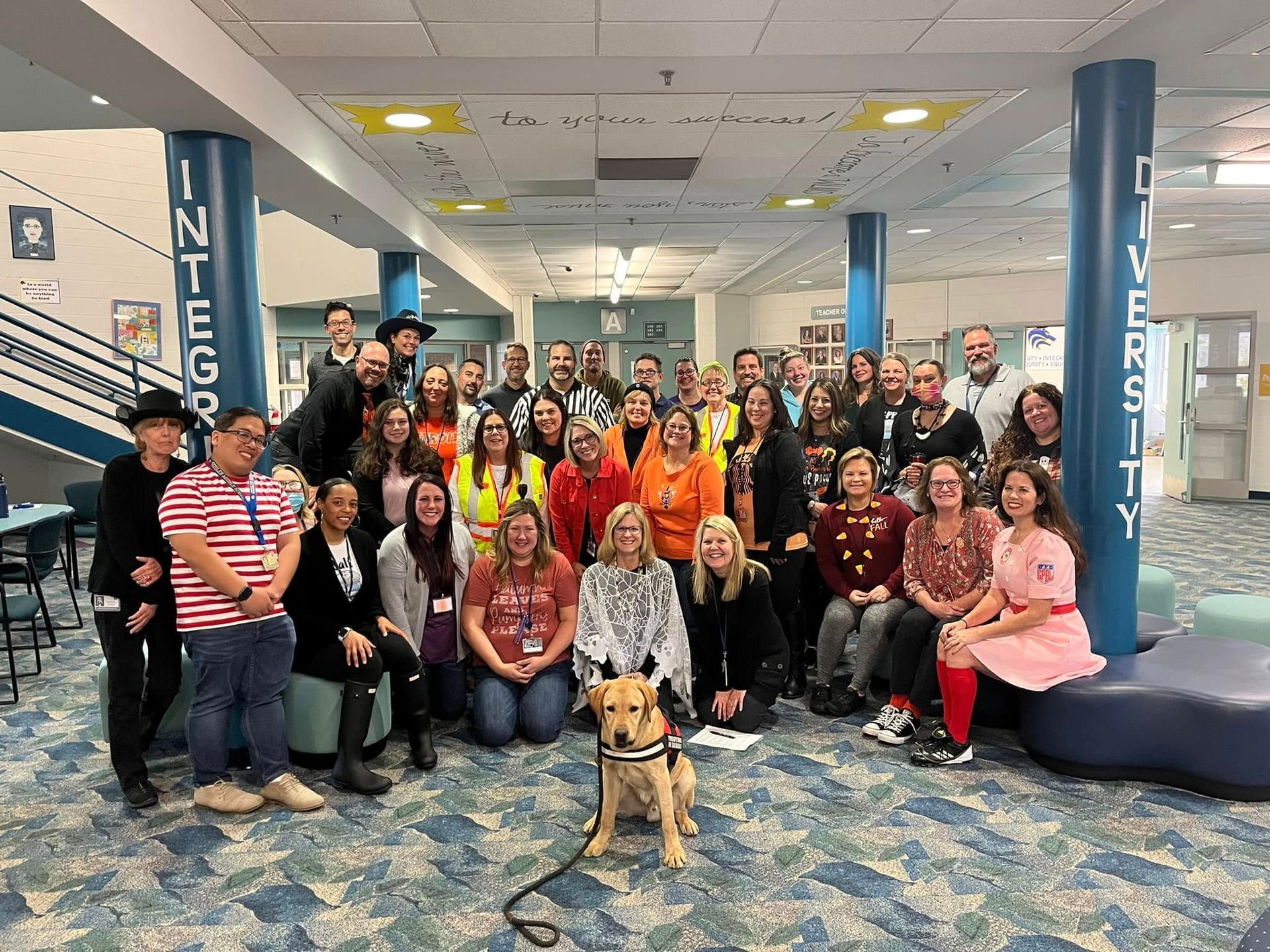
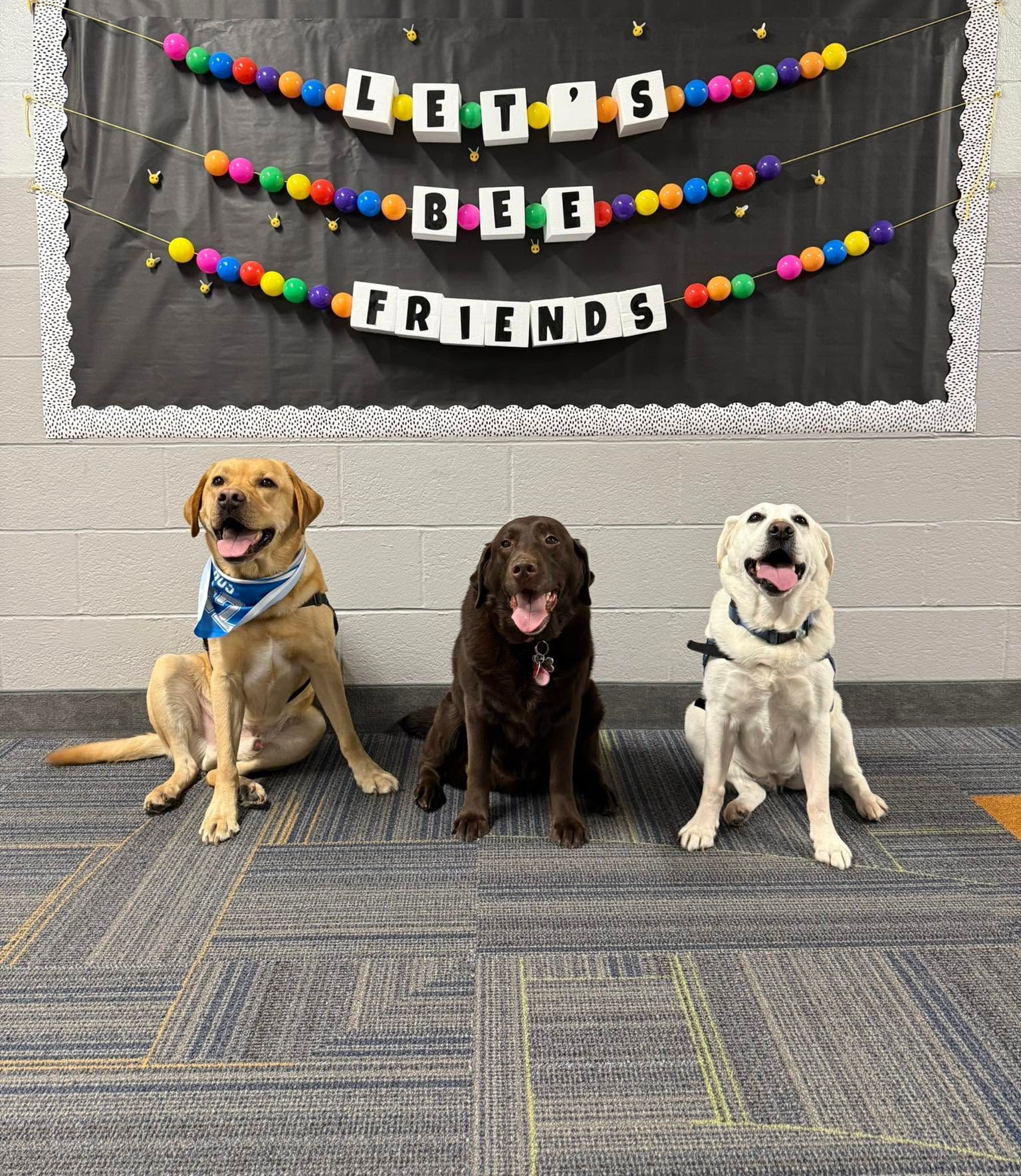
"When Walled Lake Consolidated School District decided to begin a therapy dog program in 2018, we wanted to make sure our dogs received the very best training possible. Choosing Michigan Therapy Dogs was one of the best decisions we could have made.
Fred, Austin, and their team trained our very first therapy dog, Champ, who has served the students, staff, and community of Mary Helen Guest Elementary since 2018. Thanks to the exceptional training she received, Champ has spent the last 8 years providing comfort, encouragement, and countless smiles not just to our school community but throughout the district and beyond. As she prepares to retire in 2027, we know her success is a direct reflection of the quality of training, guidance, and continued support she received.
Today, Michigan Therapy Dogs is training our district’s 11th therapy dog, Decker, who will step into Champ’s role when she retires. This continued partnership speaks for itself. We have complete confidence in their ability to prepare our dogs not only to be well-behaved but also to thrive in busy school environments where patience, confidence, and a calm temperament are essential.
What truly sets Michigan Therapy Dogs apart is that they don’t simply teach obedience—they build confident, reliable dogs that are ready to work alongside educators and make a meaningful difference in the lives of students every day. Their trainers genuinely care about each dog and each handler, taking the time to ensure every team is successful long after formal training is complete.
Because of Michigan Therapy Dogs' expertise, our therapy dog program has grown from one school to eleven therapy dogs serving ten schools throughout Walled Lake Consolidated School District. The positive impact these dogs have had on our students, staff, and families is immeasurable, and we are incredibly grateful for the role this team has played in making that possible.
We highly recommend Michigan Therapy Dogs to anyone looking for knowledgeable, compassionate trainers who truly understand what it takes to develop exceptional therapy dogs. We are grateful for this partnership and look forward to many more years of working together."
~ Monica House (WLCSD Therapy Dog Ambassador)
Common Questions About Therapy Dog Training
Families, schools, and care organizations often ask similar questions when considering therapy dog programs in Goodrich.
What is the difference between SEL Therapy Dogs and general therapy dogs?
SEL Therapy Dogs are trained specifically for Social Emotional Learning environments in schools, where they support classroom activities focused on emotional regulation, empathy development, and student engagement. General therapy dogs are trained for broader community support roles in hospitals, nursing homes, hospice centers, and other therapeutic settings where calm interaction with diverse populations is required.
How does training prepare dogs for school environments?
Training includes controlled exposure to groups of children, tolerance for sudden movements and loud sounds common in classrooms, and reinforcement of calm settling behavior during lessons or activities. Dogs practice ignoring food on the floor, staying in designated spaces, and responding to handler cues without disrupting the learning environment. Programs emphasize the dog's ability to remain a calming presence rather than a distraction.
What temperament is required for therapy work?
Therapy dogs need natural social confidence without over-excitement, tolerance for being touched by strangers, and the ability to recover quickly from startling stimuli. Dogs that seek constant attention, show anxiety in new environments, or react defensively to handling are not suitable candidates. Temperament evaluation during the initial consultation identifies whether a dog has the baseline traits necessary for therapy work.
Why does Goodrich provide a strong training base for therapy dogs used elsewhere in Michigan?
The 13,000 square foot facility allows dogs to practice distraction management and group socialization in controlled indoor and outdoor environments before transitioning to live placements. Controlled training spaces let handlers and dogs build foundational skills without the unpredictability of public settings, which speeds learning and reduces stress during early stages of preparation.
When should training begin for a dog intended for therapy work?
Training is most effective when started after a dog reaches social maturity, typically between 12 and 18 months of age, though adult dogs with stable temperaments can also succeed. Starting too early risks overwhelming young dogs with stimuli they are not developmentally ready to process, while waiting too long may mean working against established reactive patterns that are harder to reshape.
Becoming a SEL Therapy Dog has trained therapy-focused dogs throughout Michigan for over 20 years, working with schools, healthcare facilities, and families preparing dogs for community support roles. Arrange a consultation to review your therapy dog goals and determine what training approach fits the placement environment you have in mind.